It isn’t a character flaw
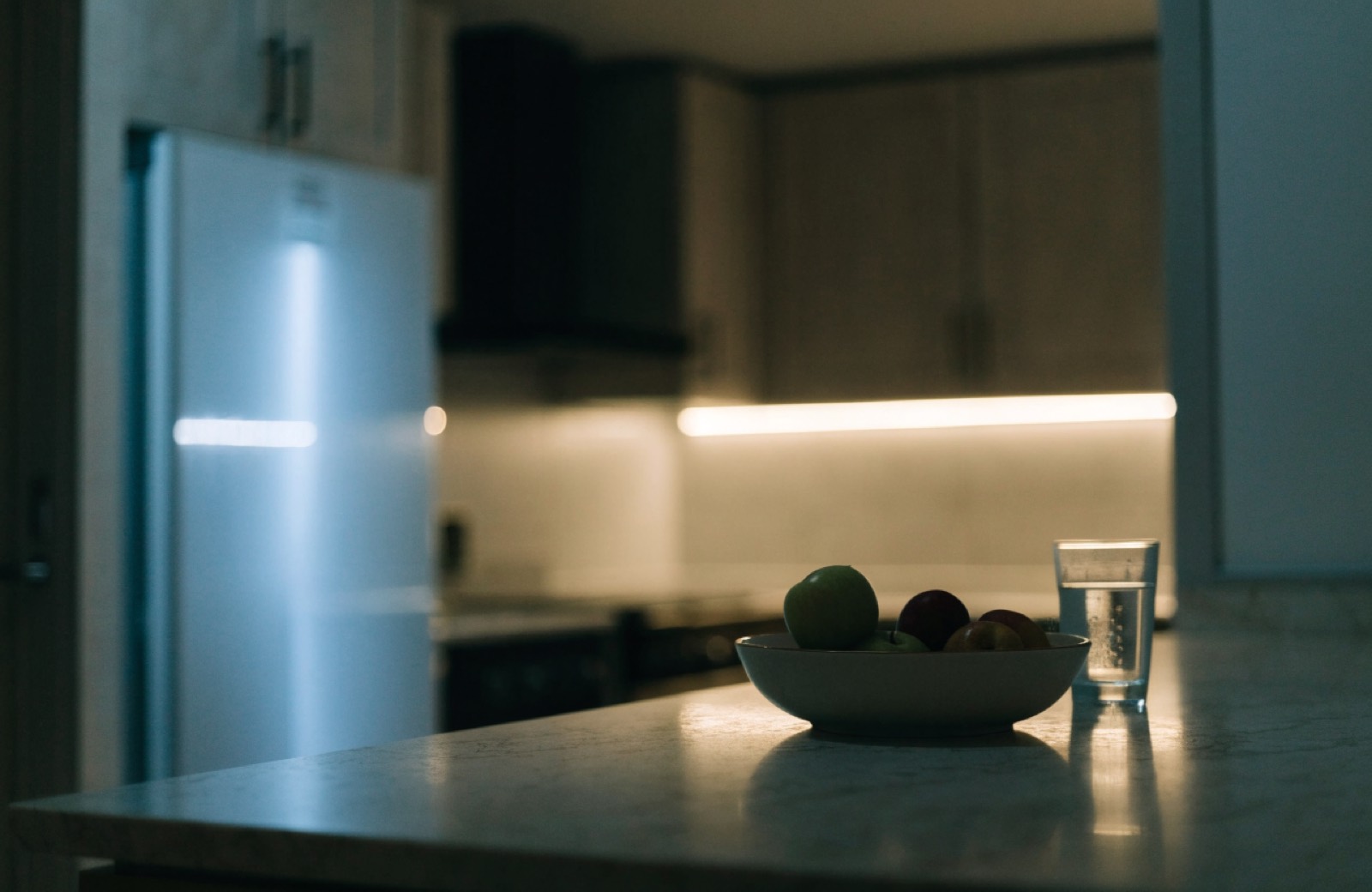
Here’s what nobody tells you about night snacking: it almost never starts at night.
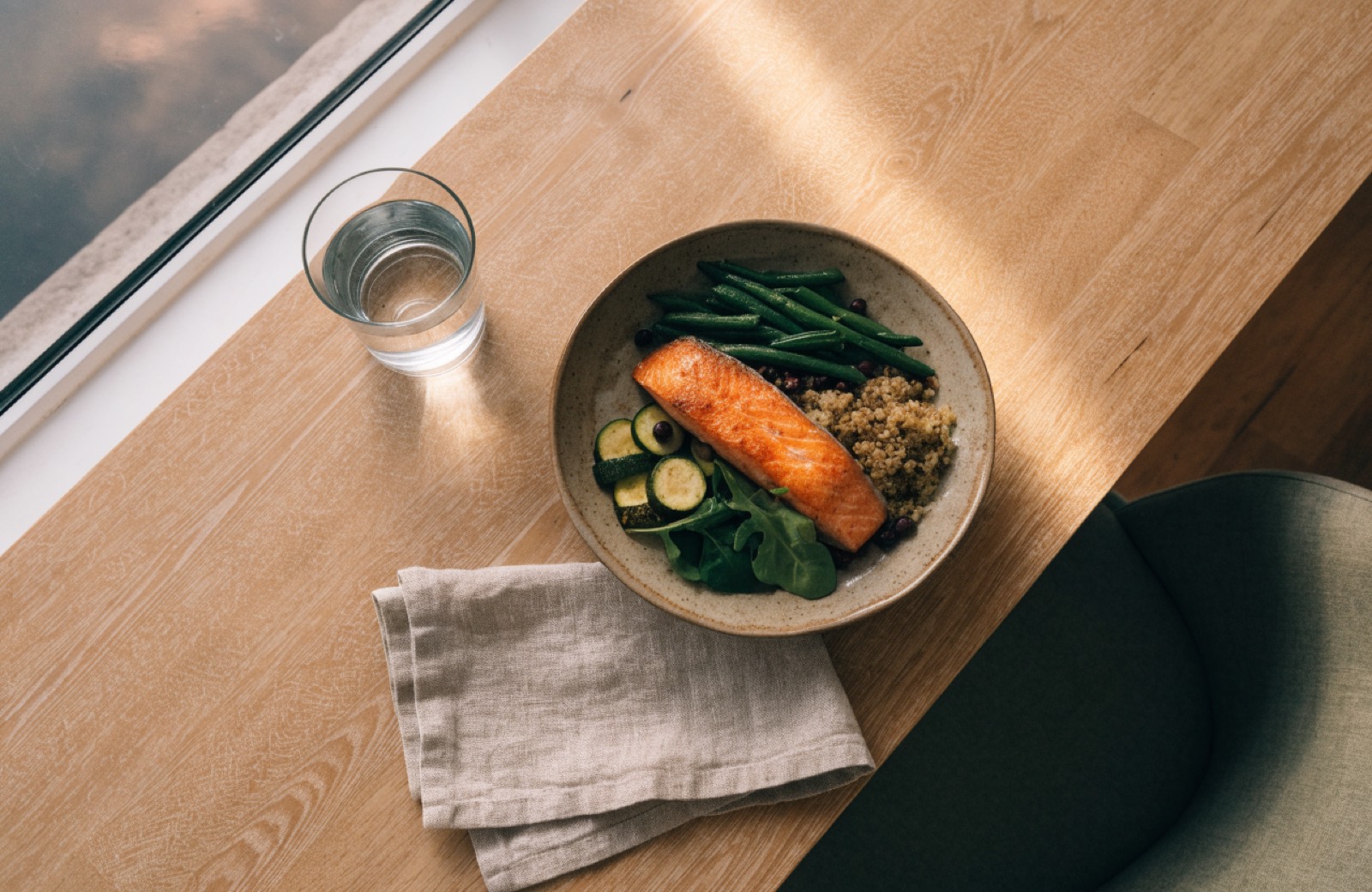
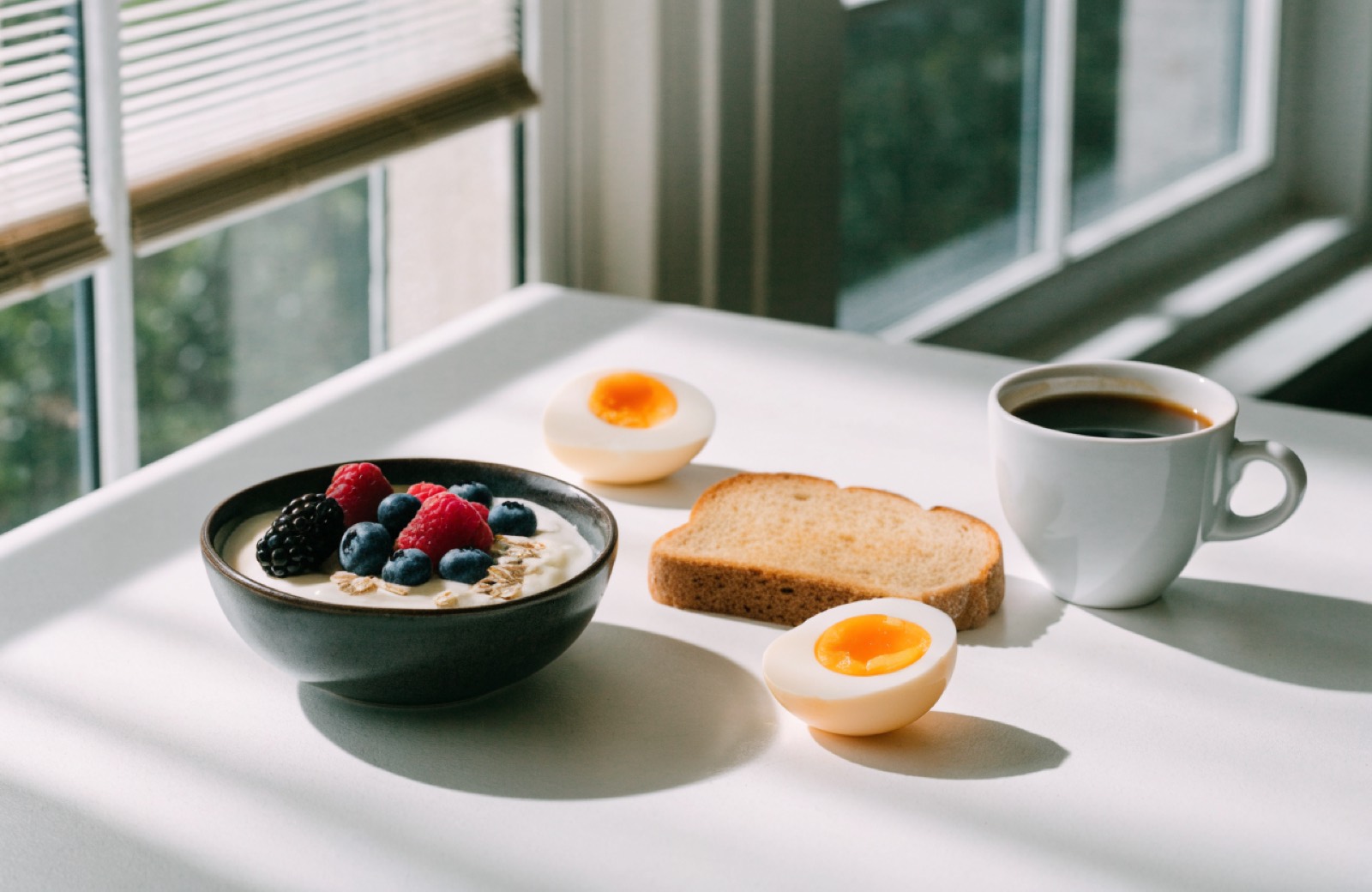
It starts at 7 a.m., with coffee instead of breakfast. It picks up at 1 p.m., with a lunch eaten standing up. It sets at 5 p.m., when you get home with nothing planned, too tired to decide, and dinner becomes whatever’s quickest. Then, a couple of hours later, the kitchen starts calling.
By the time you’re standing in front of the fridge, you’ve already lost. Not because you’re weak. Because you’re trying to make the hardest decision of the day at the worst possible moment.
Evenings are built to be hard
Your body runs on a clock, and that clock turns hunger up as the day goes on. In the lab, hunger peaks around 8 p.m., and so do cravings for exactly the things in your snack drawer: sweet, salty, starchy.
Add a short night’s sleep, which reliably pushes people to eat more late at night, plus a day of eating too little, and the evening becomes a negotiation you were never going to win.
So the usual advice (“just stop eating after 8”, “drink water”, “brush your teeth early”) asks you to fight biology with willpower, at the moment willpower is lowest. No wonder it works for a week.
Stop fighting at 10 p.m. Win at 5 p.m.
The people who don’t snack at night aren’t more disciplined. They’ve just already decided. Dinner is known, it’s in the fridge, it’s satisfying, and the day before it had enough food in it.
That’s the whole idea behind Meal Plan Club. We don’t ask you to resist anything. We move the decision earlier, to Sunday afternoon and to 5 p.m., when it’s easy, so there’s nothing left to fight about at night.