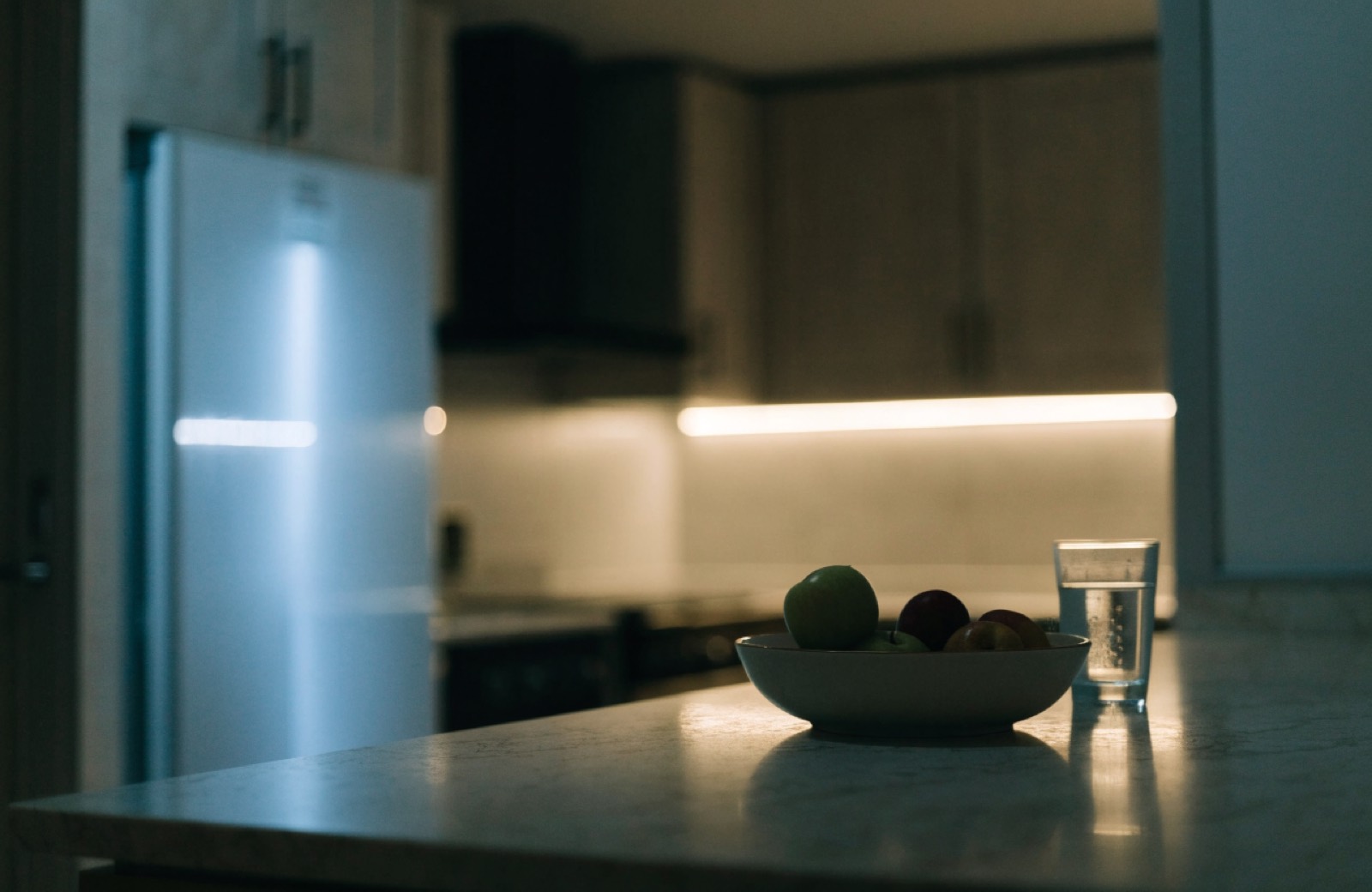
If you’ve ever been “good” all day and then eaten your way through the snack cupboard after dinner, you probably blamed yourself. Not enough discipline. Not enough willpower. Try harder tomorrow.
But night snacking is one of the most predictable eating patterns there is, and the reasons have surprisingly little to do with character. Once you see them, the fix looks very different.
1. Your body clock turns hunger up in the evening
Hunger isn’t a flat line across the day. In a carefully controlled lab study, researchers kept 12 adults on a schedule that let them separate the effect of the body clock from everything else: meals, sleep, activity. Hunger followed a clear daily rhythm. It was lowest around 8 a.m. and highest around 8 p.m.
Cravings followed the same curve, especially for sweet, salty and starchy foods. That’s not a coincidence. It’s roughly the contents of the average snack drawer.
The researchers suggest this evening peak may have evolved to help us eat a bigger meal before the long overnight fast. Useful when food was scarce. Less useful when the pantry is ten steps from the sofa.
What it means: feeling hungrier at night isn’t a sign that something’s wrong with you. It’s your biology working as designed, which is exactly why “just don’t eat after 8” is so hard to stick to.
2. Eating late seems to make you hungrier
Timing matters too. In a 2022 study, 16 adults ate identical meals on two schedules, once earlier in the day and once about four hours later. When they ate late, they reported more hunger, and their 24-hour levels of leptin, a hormone that helps signal fullness, went down.
So a late, rushed dinner can leave you less satisfied than the same food eaten earlier, which sets up the snack that follows.
3. Short nights turn into late-night eating
Sleep is one of the strongest levers on evening eating. In a large lab study, 225 adults had their sleep restricted for several nights. During those short nights they ate about 500 extra calories between 10 p.m. and 4 a.m., and those late-night calories were higher in fat than food eaten at other times.
More hours awake means more opportunities to eat, and being tired makes those opportunities harder to turn down.
4. The day sets the evening up
Then there’s what happens before dinner. A lot of night snackers follow the same shape:
- Coffee instead of breakfast.
- A small or rushed lunch.
- A long, hungry afternoon.
- Getting home with nothing planned, too tired to decide what to cook.
By 9 p.m. you’re running on empty, your body clock is pushing hunger up, and the easiest food in the house is the least filling. That isn’t a willpower failure. It’s arithmetic.
5. Undecided dinners are the real trigger
Look closely at the evenings that go wrong and you’ll usually find the same thing at 5 or 6 p.m.: no plan. Dinner becomes a question, and tired people answer questions with whatever’s fastest. Toast. Crackers. Something delivered. Something small that doesn’t satisfy, followed by grazing for the rest of the night.
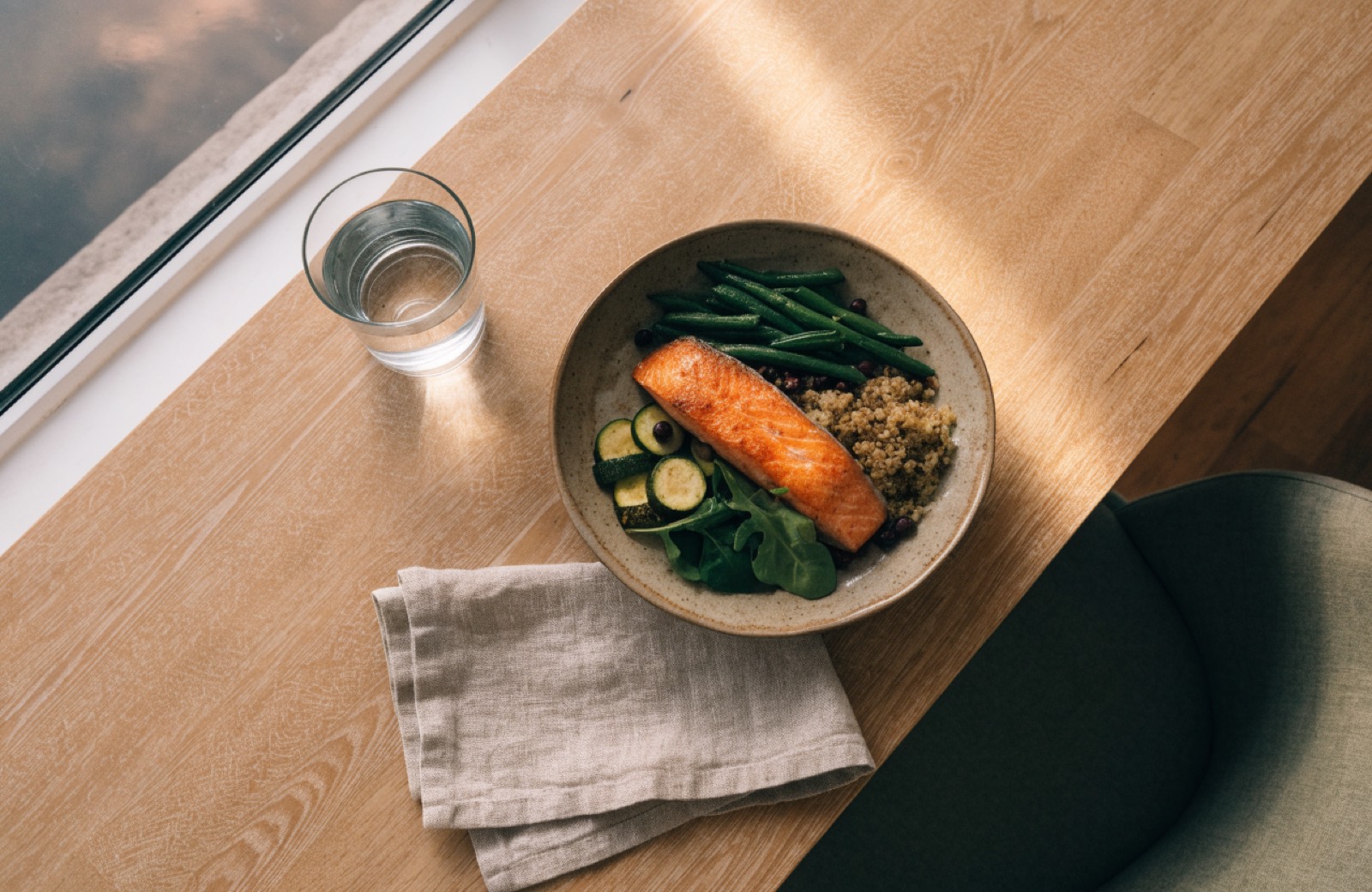
The evenings that go right look different. Dinner was already decided, the ingredients were already home, and the meal was big enough and satisfying enough that the kitchen lost its pull.
So what actually helps?
If night snacking were a willpower problem, the answer would be more willpower. Since it mostly isn’t, the answer is to move the decision earlier, to a moment when it’s easy:
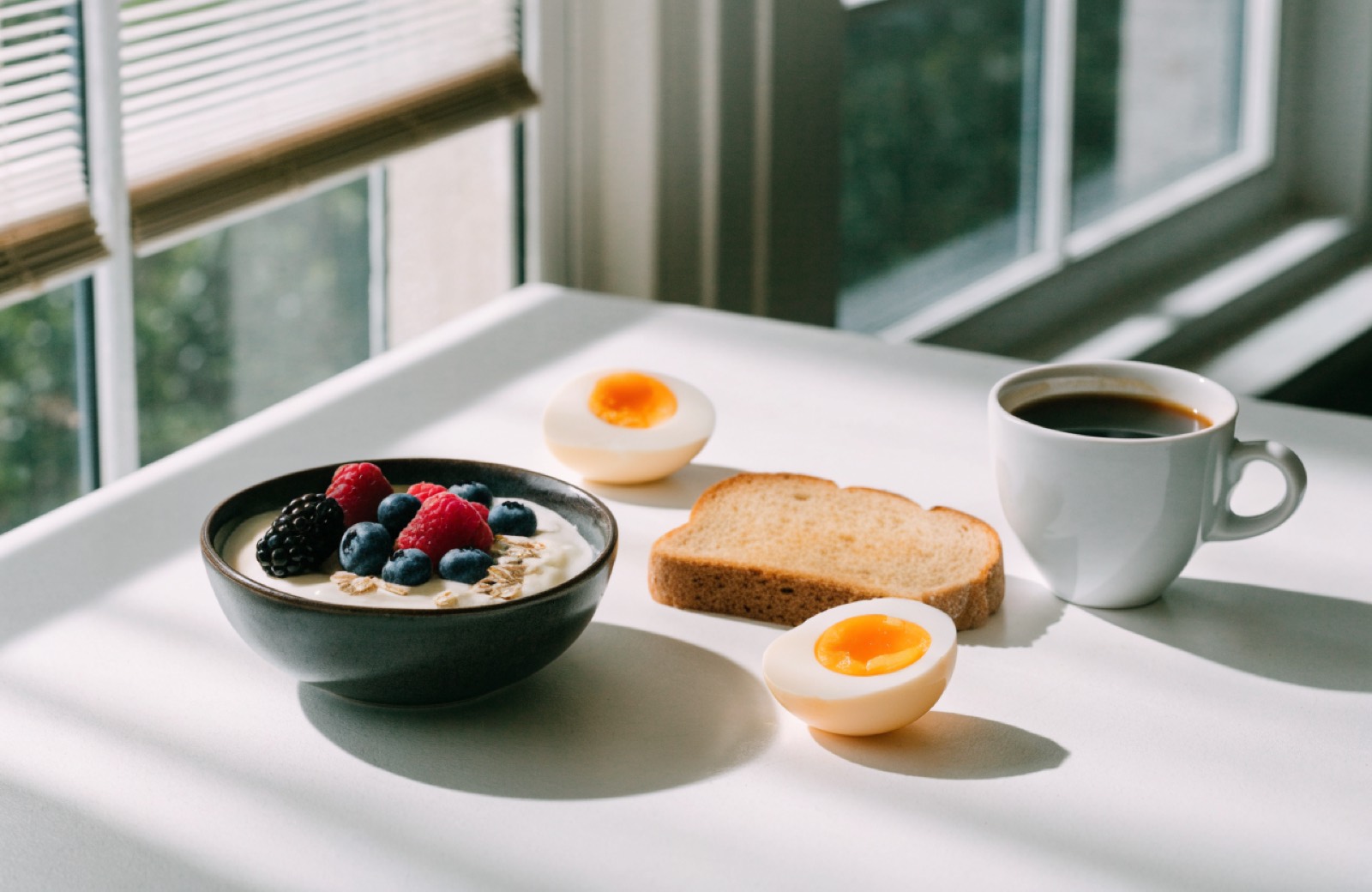
- Eat enough earlier in the day. A real breakfast and lunch, with some protein, so you don’t reach the evening already in a hole. (More on that in what to eat earlier so evenings get easier.)
- Decide dinner before you’re hungry. Ideally on the weekend, for the whole week, and at the latest by mid-afternoon.
- Plan the snack, if you want one. An evening snack you chose on purpose is fine. The one you didn’t choose is the problem.
- Protect your sleep. Fewer late hours awake means fewer late hours near the kitchen.
We wrote a step-by-step version of this in the 5 p.m. decision.
Where Meal Plan Club comes in
We built Meal Plan Club around exactly this idea. You plan the week’s meals in a few minutes, the grocery list writes itself, and every recipe already knows its calories and macros. By the time the evening comes, there’s nothing left to decide.
See how it works for night snacking →
This article is general information, not medical advice. If you’re worried about your eating, or you wake up at night needing to eat, talk to a doctor or a registered dietitian.