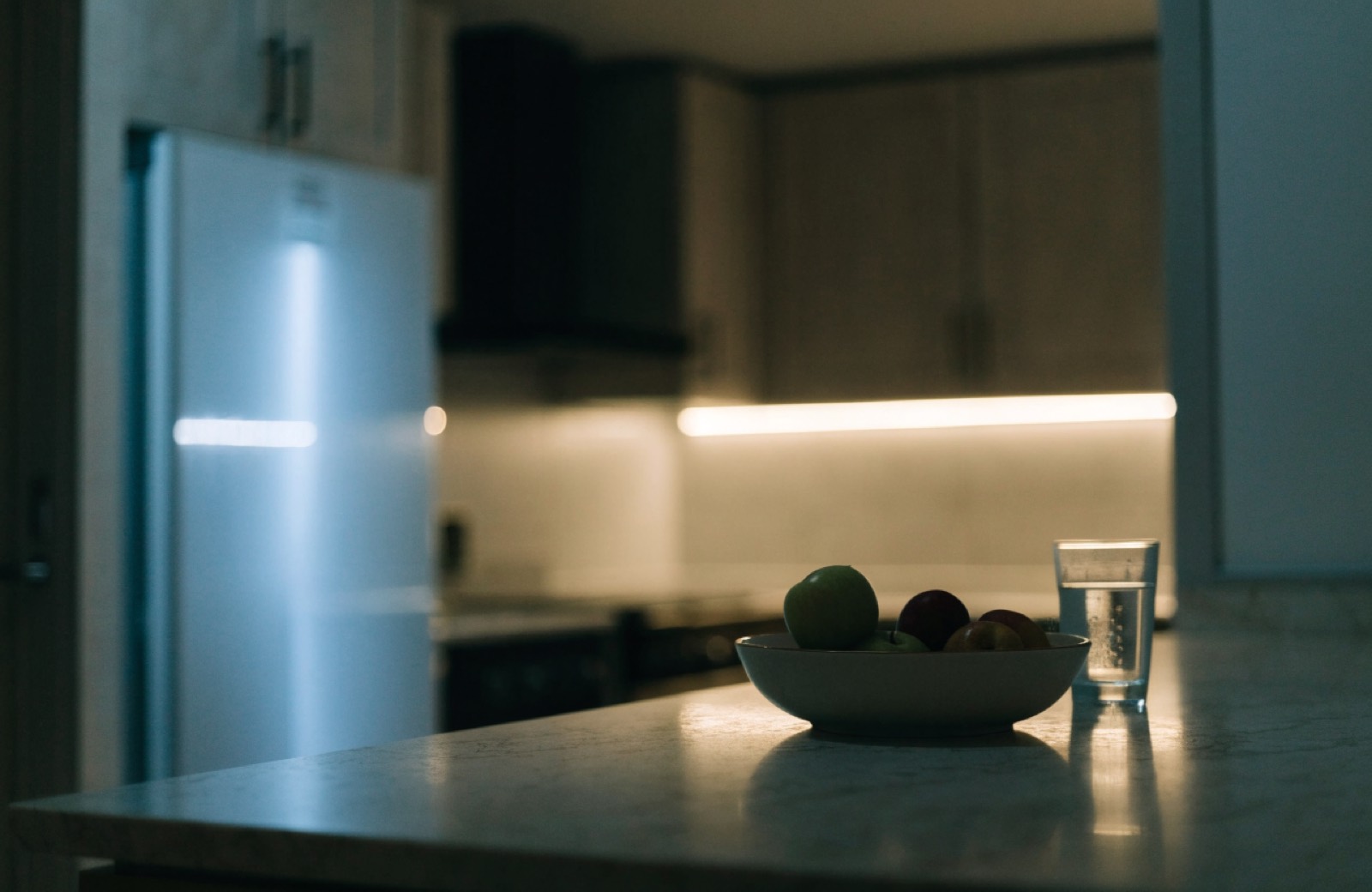
A lot of people try to fix night snacking at night. They set a kitchen curfew, hide the biscuits, brush their teeth at 8 p.m. And it works, for a few days.
The trouble is that many evening snacks start in the morning. If you’ve eaten very little by dinnertime, your evening is going to be hungry no matter how strong your rules are. So one of the most effective changes you can make happens 12 hours before the snack.
The “saving up” trap
Here’s a common pattern, especially for people trying to eat less:
- Skip breakfast, or have coffee and call it breakfast.
- Eat a light lunch to “save calories”.
- Feel fine, even proud, until late afternoon.
- Get home starving, eat a big dinner fast, then keep going for the rest of the evening.
It feels like discipline during the day. But the hunger doesn’t disappear. It just waits for the part of the day when your body clock is already turning appetite up and your energy is lowest.
What the research hints at
One small study is often cited here. Researchers at the University of Missouri worked with young women who usually skipped breakfast. On different days they either skipped breakfast, ate a normal cereal breakfast, or ate a breakfast with about 35 g of protein. Each breakfast had the same number of calories.
After the high-protein breakfast, participants felt fuller, and they snacked less in the evening on high-fat and high-sugar foods than when they’d skipped breakfast or eaten cereal. Brain scans before dinner also showed lower activity in areas linked to food craving.
It’s a small study in one group of people, so it isn’t proof that a protein breakfast works for everyone. But it fits what many people notice: a real breakfast makes the evening calmer.
Timing seems to matter at the other end of the day too. When adults in a 2022 study ate the same meals four hours later, they were hungrier and had lower levels of the fullness hormone leptin. Eating more of your food earlier, and less of it late, appears to help on both counts.
A simple template for the day
You don’t need a perfect diet. You need to reach the evening without being in a deficit you’ll spend the night paying back.
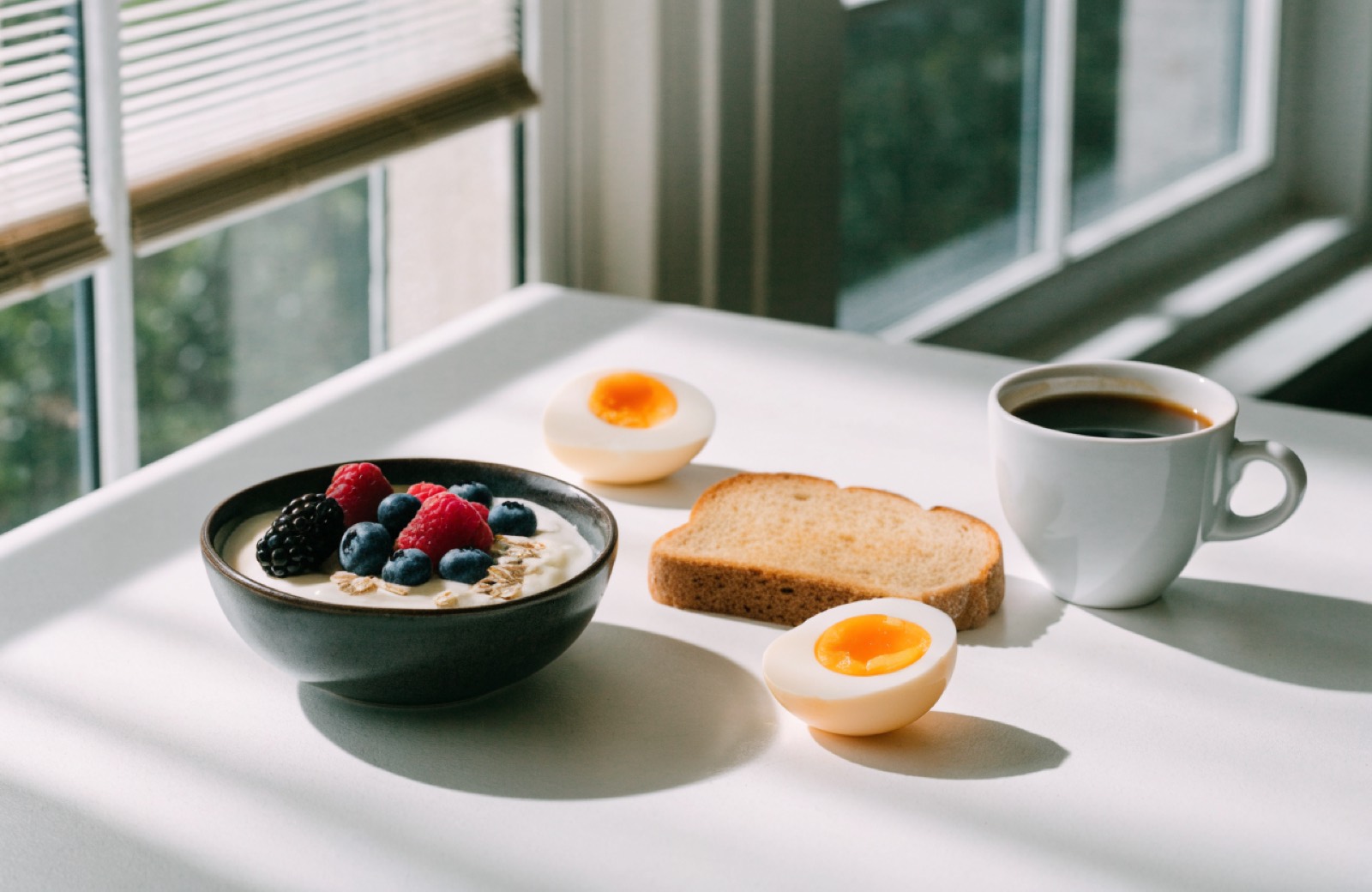
Breakfast: protein plus something slow
Aim for a solid source of protein with fibre or slow carbs. For example:
- Greek yogurt with berries and oats
- Eggs on wholegrain toast
- Cottage cheese with fruit and nuts
- Tofu scramble with vegetables
- Overnight oats made with milk or soy milk, plus a spoon of nut butter
If you’re genuinely not hungry in the morning, start small and earlier is better than nothing. Even a modest breakfast changes the shape of the day.
Lunch: a real meal, sitting down
Lunch is where many people undereat without noticing. Treat it like a meal, not a snack: protein, vegetables and some carbs. Leftovers from last night’s dinner are perfect for this, which is one more reason to cook a little extra.
Afternoon: a planned snack beats a hungry commute
If there’s a long gap between lunch and dinner, a planned afternoon snack (fruit and yogurt, hummus and vegetables, a handful of nuts) means you get home hungry, not ravenous. Ravenous is where evenings go wrong.
Dinner: big enough to end the day
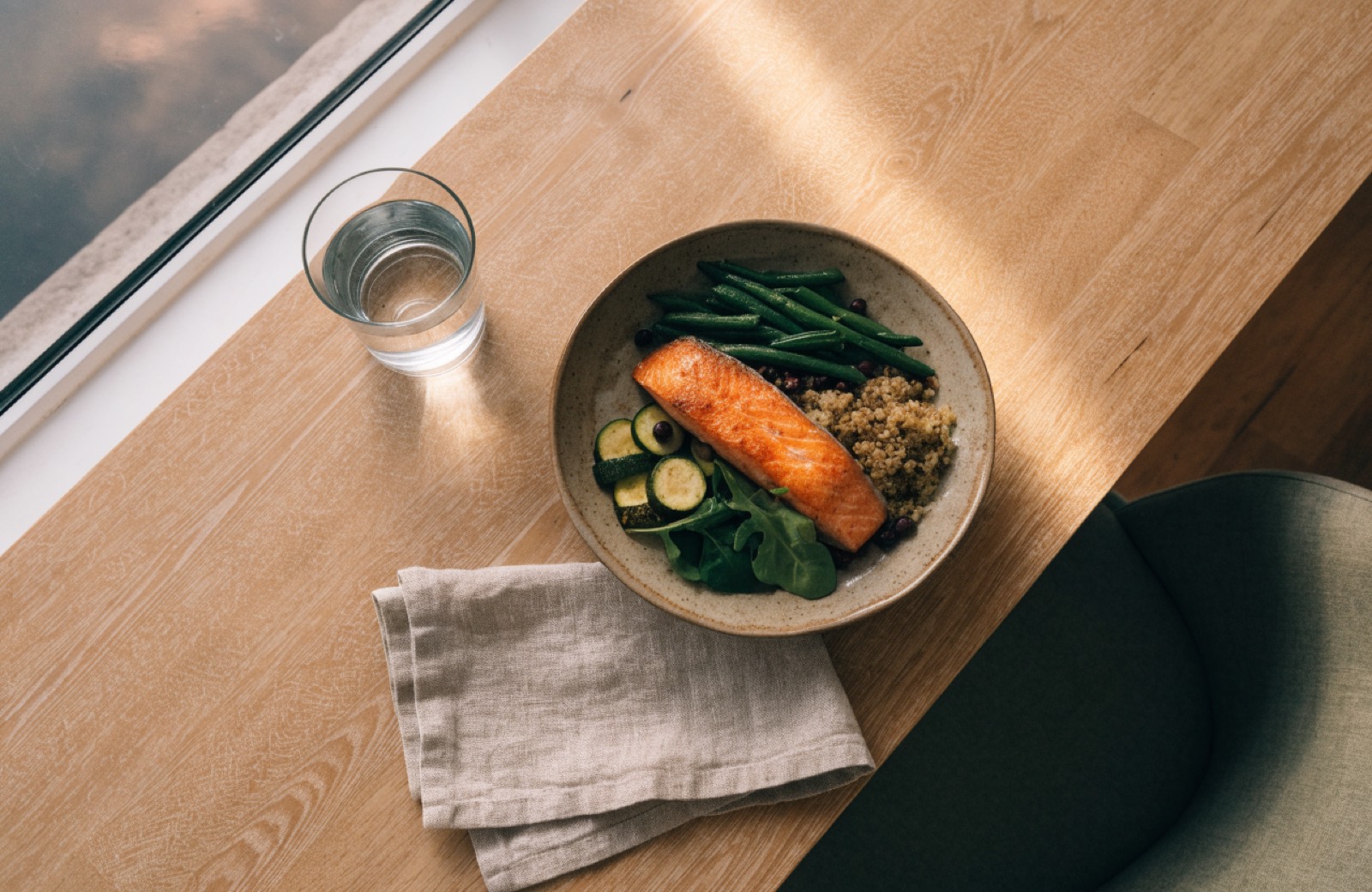
Dinner should actually satisfy. A plate with protein, vegetables and slow carbs, eaten sitting down, is the best defence against the 9 p.m. wander to the kitchen. You can read more about planning it in the 5 p.m. decision.
What about calories?
Eating more earlier doesn’t mean eating more overall. For most people it means moving food from the evening to the morning and midday, where it does more good. The total for the day can stay the same, or even drop, because the unplanned evening grazing tends to shrink.
The bigger picture
Night snacking is rarely about the snack. It’s about the day that came before it: how much you ate, when you ate it, and whether dinner was decided. Fix the day, and the evening tends to look after itself.
Make it automatic
Meal Plan Club plans breakfast, lunch and dinner around your goals and shows calories and macros for every meal, so you can see at a glance whether your day is front-loaded or saving everything for the evening.
See how Meal Plan Club helps with night snacking →
This article is general information, not medical advice. If you have a medical condition, are pregnant, or have a history of disordered eating, please talk to a doctor or registered dietitian before changing how you eat.